Understanding Stuttering, Breathing & Anxiety: Professional Guidance for Effective "Stutter Breath" Treatment
December 23, 2020

American Institute for Stuttering



Oftentimes, we hear from our clients that they have a hard time with breathing when a moment of stuttering occurs.
Due to these experiences, it is easy to believe that stuttering is caused by a lack of proper breathing patterns. However, the true relationship between breathing and stuttering is a bit more complex.
We all know that natural breathing is essential for survival. It allows us to take in the oxygen we need to function, while exhaling the carbon dioxide we do not need.
However, it is not automatically obvious to many that breathing is also one of the foundational elements needed for us to produce speech!
The lungs act as the engine to produce a steady stream of airflow that passes through the vocal cords, creating enough pressure that allows them to start vibrating. This vibration bounces off the walls of our throat and nasal cavities, thereby making the sound that we shape into different speech sounds with our mouth, lips, and tongue.
All of these aspects must work together for humans to reliably produce speech - pretty cool, right?
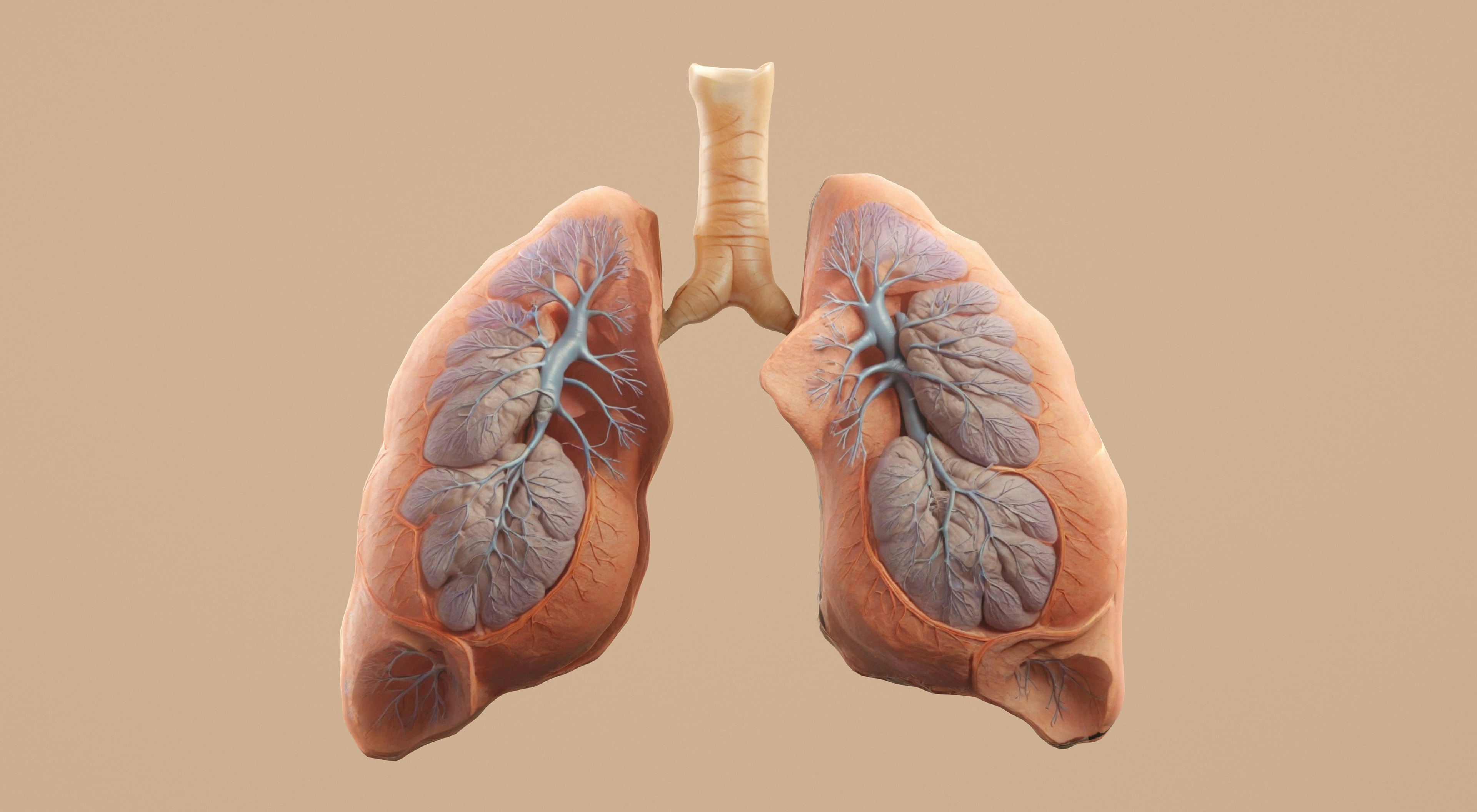
Stuttering can be thought of as neurobiological "glitch" in coordination and timing that directly impacts speech motor control. Many areas of the brain have been implicated in stuttering onset and development due to sophisticated neuroimaging technology (e.g., MRI, CT, etc.).
We also know that other factors are involved in the development of as a speech disorderthis speech disorder, such as genetic factors, environmental factors, temperament / sensitivity, and overall speech / language functioning.
The most important factor to consider is that MANY things work together to make stuttering occur; it is impossible to boil stuttering down to a respiratory condition (such as chronic obstructive pulmonary disease or respiratory distress) or a problem with the respiratory system (e.g., irregular breathing, double breathing, paradoxical breathing, or someone not getting enough air to speak easily).
Anxiety is a universal emotion for all humans. In many cases, stuttering tends to elicit anxiety across stressful situations involving speech. It is hard to experience the anticipation and worry that comes when looking ahead to job interviews, first dates, phone calls, or any other speaking situation that may involve the vulnerability of stuttering.
The thing is, our bodies have adapted over thousands of years to assist with managing anxiety and "priming" us for action: the "fight or flight" response, controlled by the autonomic nervous system. This spurs us to feel anxious so we are able to react time and effectively against any potential threats.
We all experience this through things such as increased heart rate, increased blood pressure, faster and shallow breaths, increased muscular tension, increased blood pressure, and an inability to stay present and grounded.
Breathing patterns can be significantly impacted with this anxiety response. It is typical for people in this state to take shallower chest breaths, increase their rate of breathing, and experience greater tension that makes comfortable, controlled breath support much harder to maintain.
As you can imagine, these symptoms of anxiety put a great deal of stress on the body's capacity to produce comfortable communication, and in turn, tend to exacerbate the struggle associated with stuttering moments.
In the lived experience of stuttering, it is common for secondary characteristics to develop. These characteristics (or common symptoms of stuttering) are meant to assist a person in escaping from or suppressing a moment of stuttering.
One common way that this shows up is in irregular or inefficient breathing patterns, such as speaking on the inhalation, rapid breathing before a stuttering moment, holding the breath, increasing muscle tension through pushing, and any other behaviors that may appear like respiratory issues.
At times, these can be seen as the "severe symptoms" of physical tension and struggle that may accompany stuttering, increasing stress and things life facial / mouth tension when communicating.
It is important to note that these characteristics are more accurately described as possible consequences of living with stuttering, rather than a primary cause of the disorder.
For many people, it is possible to make changes to these secondary characteristics, and in turn, create more normal breathing patterns that support successful communication, stuttering and all.
From all of this information, we DO know that stuttering is a bit more complicated than a respiratory condition, poor breath control, or because someone feels anxious. However, we also know that there are some helpful things to keep in mind with breathing that can support easier communication skills and reduced anxiety / increased mindfulness.
Historically, speech therapists would focus on teaching their clients who stuttered breathing exercises or techniques meant to make changes to their breathing patterns in order to assist with better coordination of respiration for speech, and in turn, try to improve fluency. Some of these techniques include:
While these speech therapy techniques can sometimes be helpful to inhibit or reduce moments of stuttering, they do not "cure" the stutter itself.
They require a great deal of cognitive effort to learn, maintain, and master, with any increase in anxiety surrounding stuttering making them much harder to employ in real life.
During moments of stuttering, it is common for people who stutter to share that they are unable to stay present in their bodies, due to the impact of the autonomic nervous system. This makes it impossible to have awareness of many things, including various struggle behaviors that may include irregular breathing, overuse of tension / pushing, and any secondary characteristics that make communication more challenging.
A critical place to start with most people who stutter in speech therapy is the process of awareness building. (e.g., inhalation to postpone a stuttering moment, increased rate turning into running out of air, etc) , with many individuals having a hard time always noticing it happening in real time.
Many times, the breathing difficulties that are associated with secondary characteristics become automatic and habitual. Over many years, these characteristics that disrupt speech can become deeply ingrained in someone's overall stuttering pattern, requiring active "noticing work" in real time.
Approaching any breathing difficulties with stuttering (or "stutter breath", as called by some clients) with curiosity helps to make distinctions between more struggled and more comfortable communicative choices more possible to enact. Some examples include:
This also extends to developing awareness of choices that the individual has learned to make regarding breathing or other aspects of speech / communication:
From this awareness building, individuals who stutter can begin to understand more about the possible underlying cause of their anxiety and different ways that they can make different choices in physical communication.
Mindfulness simply means staying grounded and connected to the present moment. As you can imagine (or experience), the anxiety and anticipation that comes along with stuttering may make that incredibly difficult.
Part of the work of effective speech therapy is to assist a client in staying present in and reconnecting with their own body while stuttering occurs.
Breathing techniques and meditation can assist in this process, as ways to trigger the parasympathetic nervous system (e.g., the part of our physiology that calms us / lowers our heart rate and takes us out of the fight or flight response) and help foster overall relaxation. While this can reduce stuttering and / or the overall struggle associated with it, it also serves to calm the body and the mind.
Taking a few minutes for simple things such as:
Each of these steps can help to keep an individual mindful and relaxed when approaching and moving through moments of stuttering, grounded in their body.
Examples include:
Awareness building can instill agency back into a client's experience, giving them more time to make choices that work for them, rather than operate out of anxiety and fear.
With all things, different stages of development require different approaches for effective speech therapy for stuttering, particularly when it comes to discussing ways to deal with breathing and anxiety.
For preschoolers just beginning to show signs of stuttering, it is important to prioritize parent education.
Oftentimes, stuttering can be just as anxiety provoking for parents, and working to help them feel empowered is an extremely important step towards adjustment and openness. Early detection can assist in ensuring this process begins as soon as possible.
One incredibly common piece of advice related to breathing we hear at AIS is the tendency for parents to ignore moments of stuttering, as they believe bringing it up will cause it to become more of a "problem".
However, we find that it is "how" you talk about stuttering that matters most. Using language to describe your child's lived experience can help normalize, demystify, and encourage confident communication.
It is common for people who stutter to hear well-intentioned yet overly simplistic advice, with one of the most common being "Take a breath" as a way to prevent stuttering from happening.
While typically coming from a good place, this advice does not "work" to reduce or eliminate stuttering, and in some cases, can even lead to increased pressure and stress on the child. Deep breathing exercises are rarely (if ever) the answer!
The best course of action is to just listen - give the child who stutters your undivided attention and reinforce the content of their message, rather than how it sounds or asking them to say it again if they stutter.
This works to create a safe environment where every child who stutters is empowered to say what they want to say, when they want to say it, which helps to reduce any negative thought patterns about talking, and in turn, makes it easier to make changes to struggle behaviors.
Further, education about ways to deal with speech related anxiety, awareness building of any secondary characteristics (e.g., paradoxical breathing, poor breath control, etc.), and overall communication skills all play a vital role in reducing any pressure or stress on the child.
Typically, teens and adults who stutter have a longer standing relationship with stuttering, oftentimes characterized by negative thought patterns, severe struggle symptoms related to secondary behaviors, or restricted communication due to fear of stuttering.
Effective therapy works to promote education about stuttering, processing and working through any negative emotions that prevent open, spontaneous stuttering, identification of stressful situations paired with desensitization, and in turn, better ways to trigger the parasympathetic nervous system in order to produce a relaxation response. At this point, therapy should not be focused solely on simple breathing exercises - more specialized therapy is needed.
Whether you're supporting a young child just beginning their speech journey, a teen navigating social pressures, or an adult seeking to reclaim communication confidence, stuttering therapy must evolve to meet the unique challenges of each life stage.
AIS offers age-appropriate, evidence-based programs tailored to where you are right now—because effective treatment looks different at 5, 15, and 50.
Explore our specialized stuttering therapy programs for all ages.
While it is true that breathing and stuttering go hand in hand, it is clear that working on simple breathing exercises for "stutter breath" does not make sense in the grand scheme of overall life impact.
Individualized, evidence-based approaches that address the affective, behavioral, and cognitive components of stuttering are important for those who stutter of all ages.
With appropriate support, people who stutter can develop effective strategies for managing breathing anxiety during communication, while also reducing any other symptoms of stuttering related to stress, struggle, and anxiety.
AIS is committed to evidence-based, comprehensive care that addresses both physical stuttering and related anxiety concerns that stem from the lived experience of stuttering.
Take the first step toward managing your stuttering more effectively by working with our experienced team of speech language pathologists - contact us online to learn more!